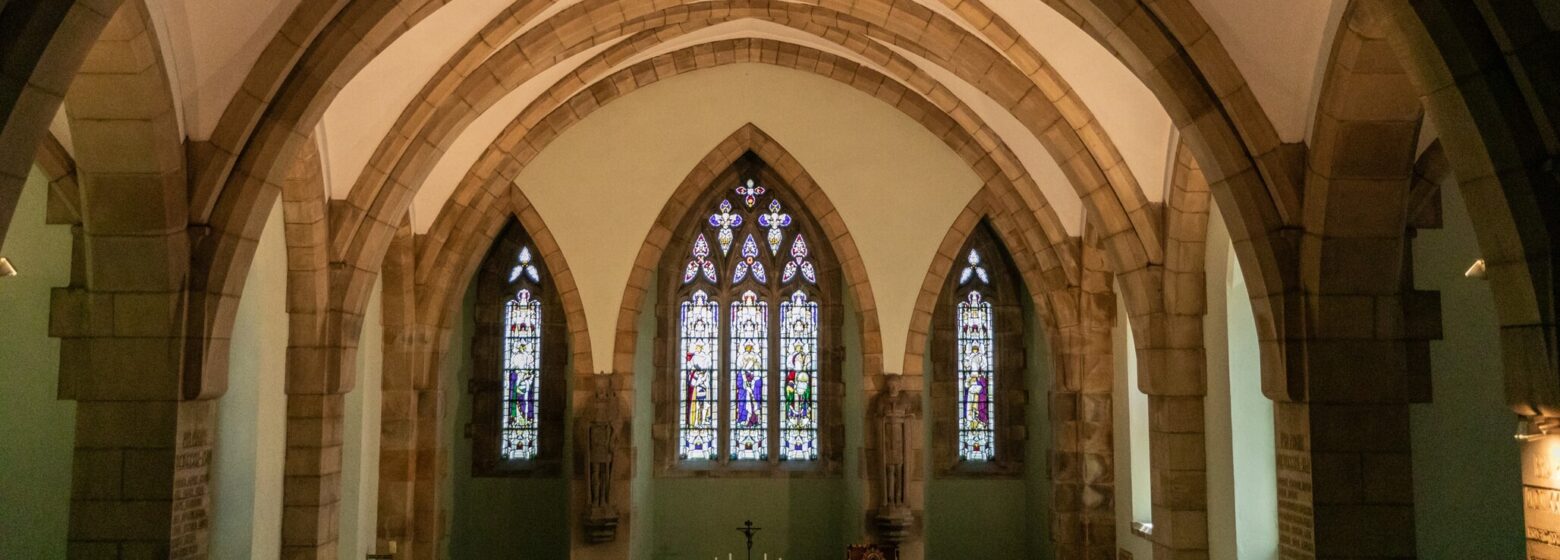
The transformation of one of Durham School’s historic buildings has created an inspiring, digitally advanced learning environment for Sixth Form pupils to develop their independence, fulfil their ambitions and prepare for life beyond School.
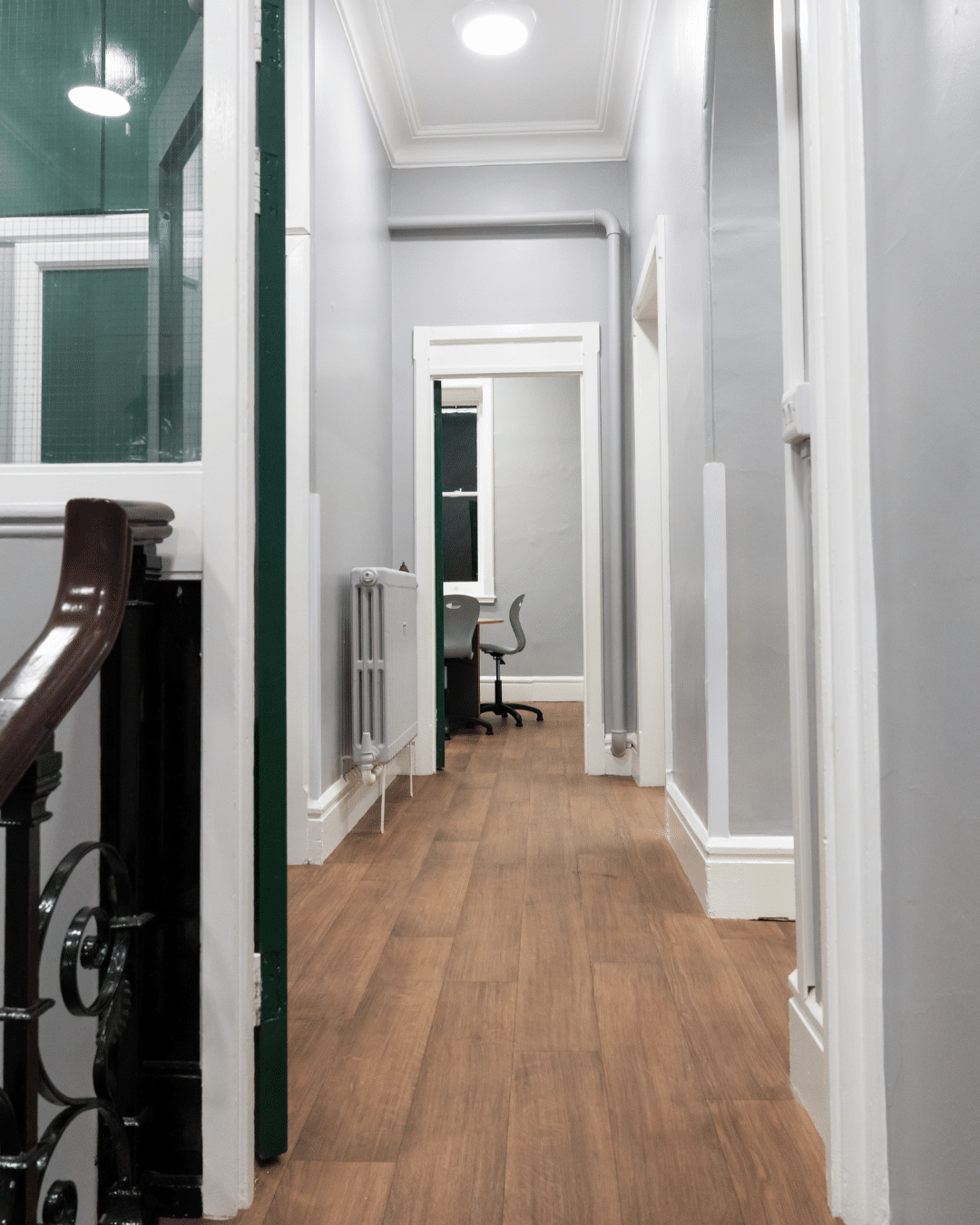
Durham School has officially reopened its newly refurbished Sixth Form Centre, combining the historic character of the Vallance Building with contemporary facilities designed to support the academic, personal and social development of its Year 12 and 13 pupils.
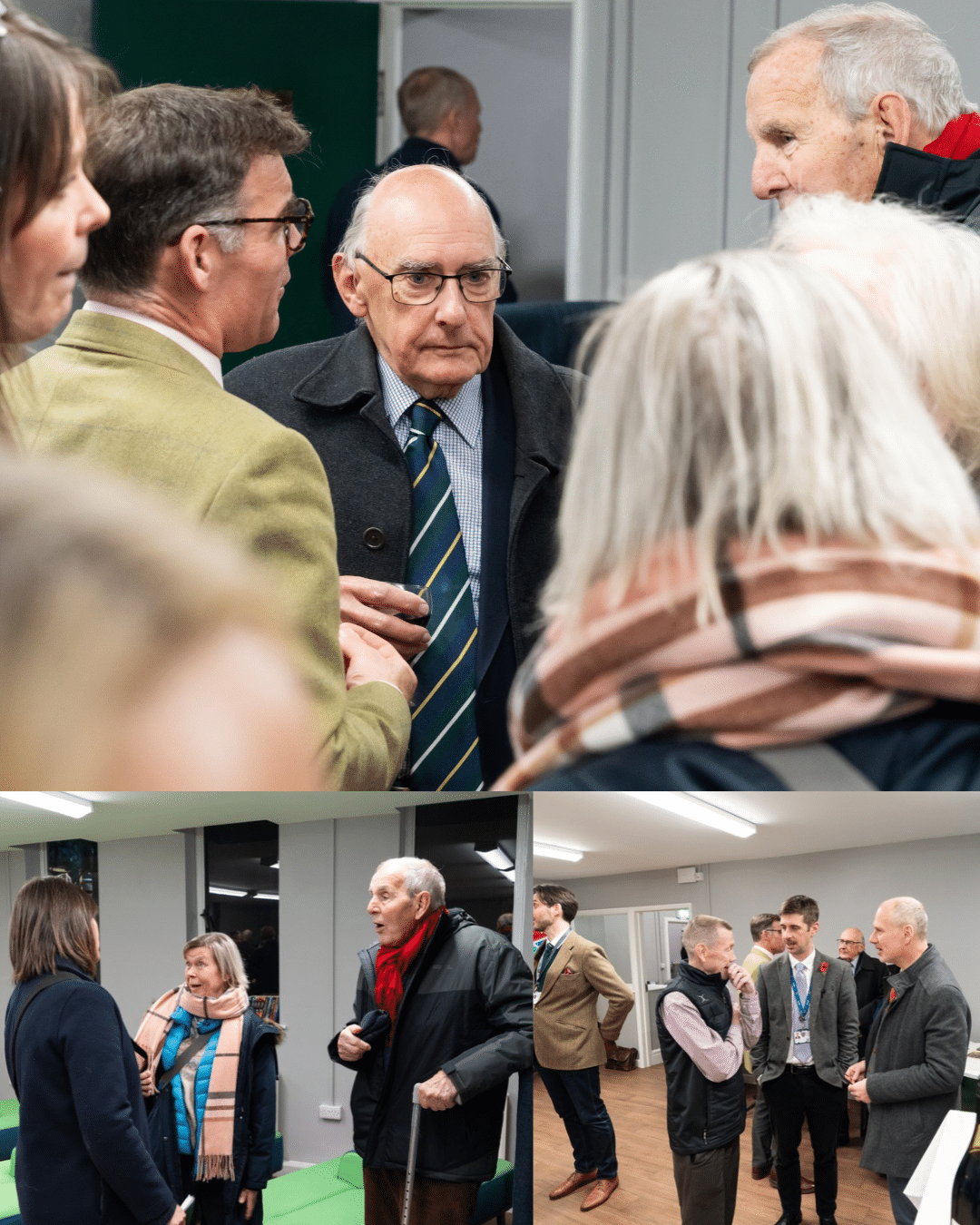
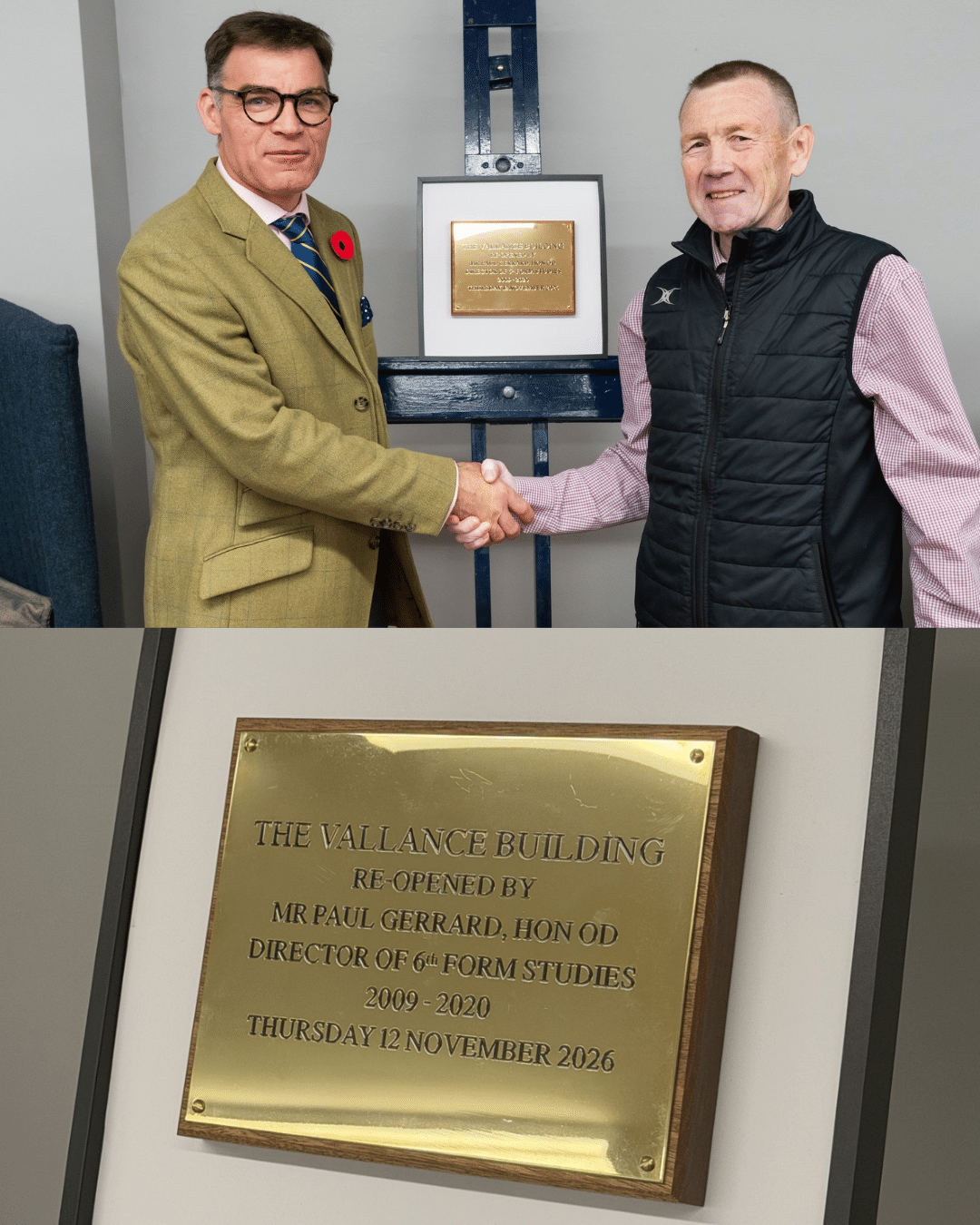
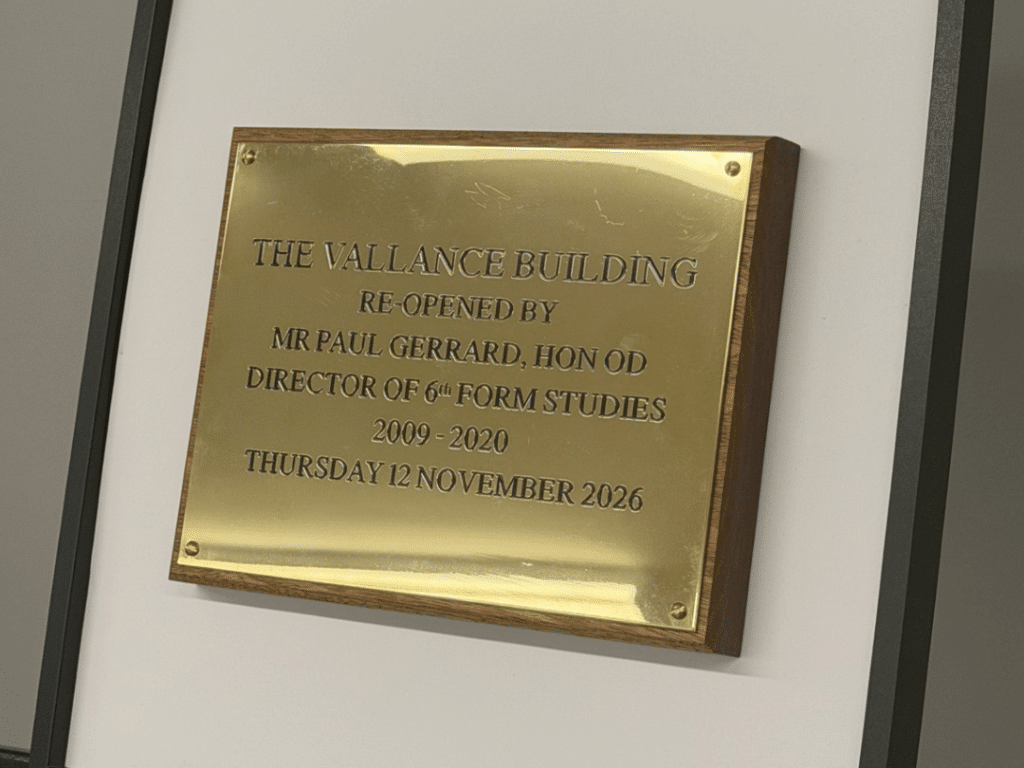
The Centre was officially reopened on Thursday 12 November by Mr Paul Gerrard Hon OD, Durham School’s first Head of Sixth Form, affectionately known as ‘Chief’ to generations of Old Dunelmians. Having played an instrumental role in establishing the building as a dedicated Sixth Form Centre in 2009, Paul returned to celebrate its transformation.
A space designed for the next generation
The refurbishment represents more than a transformation of the physical building. It marks an evolution in Durham School’s approach to Sixth Form teaching and learning, with a digital-first philosophy and flexible learning environments that encourage independent thinking, academic ambition and collaboration.
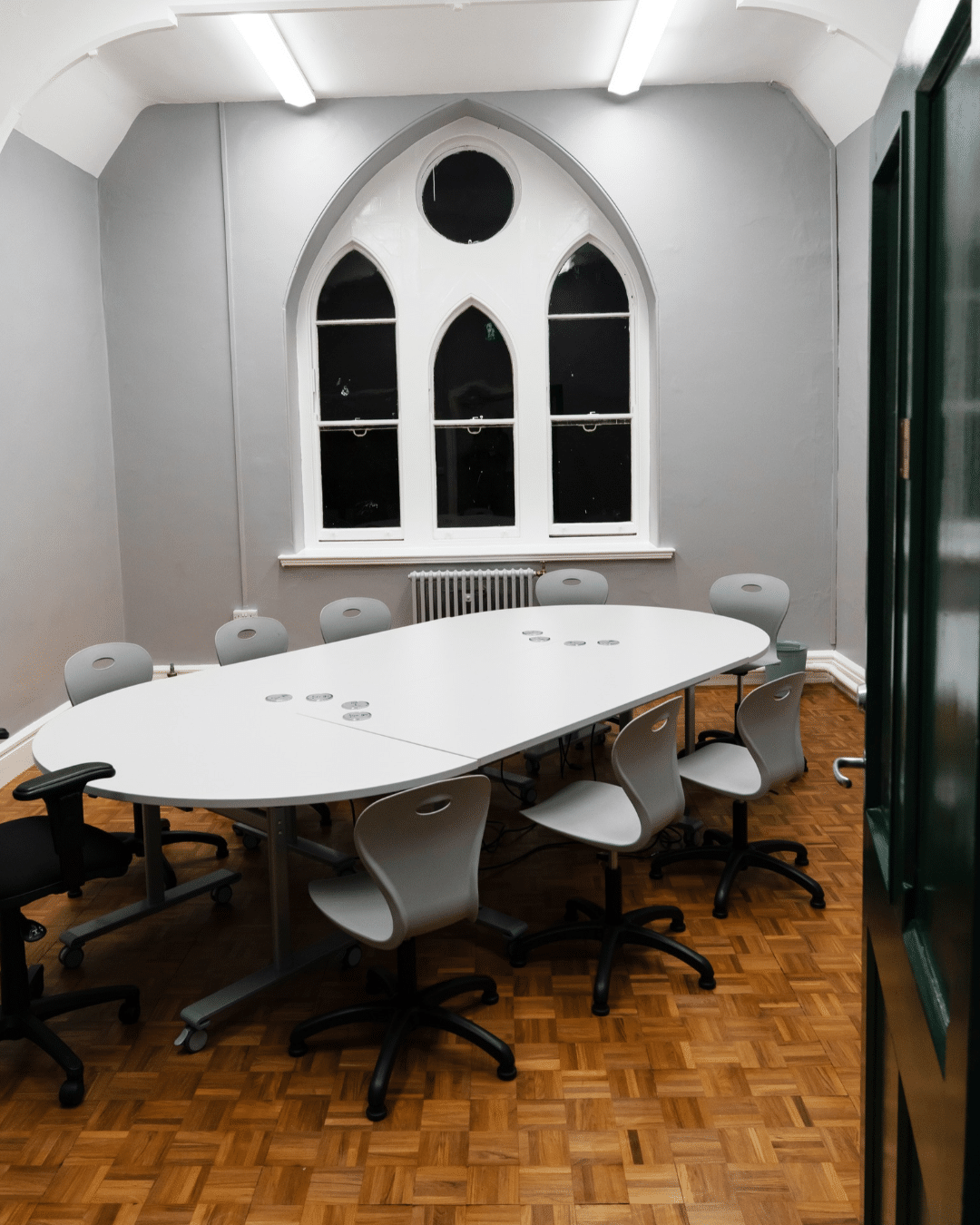
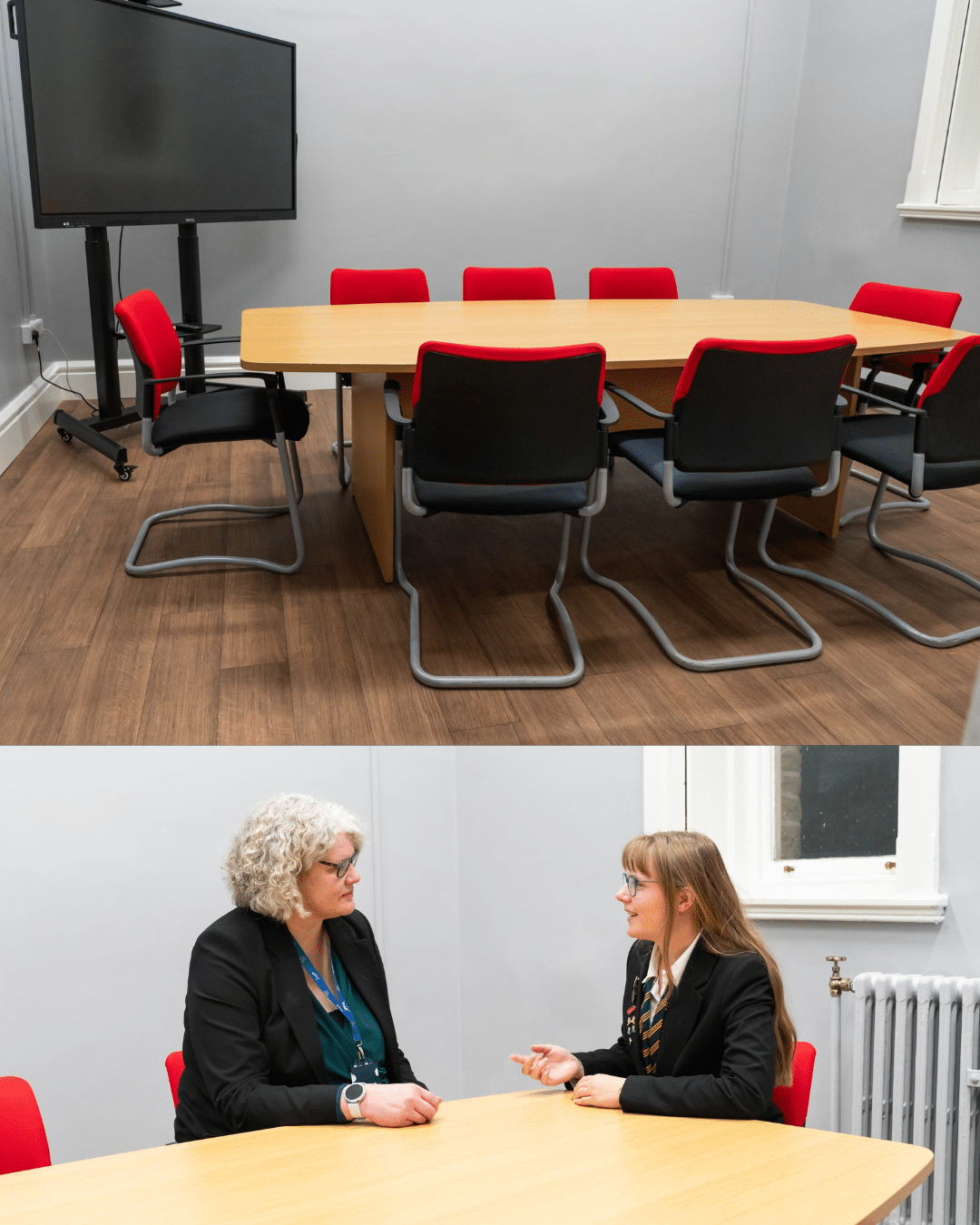
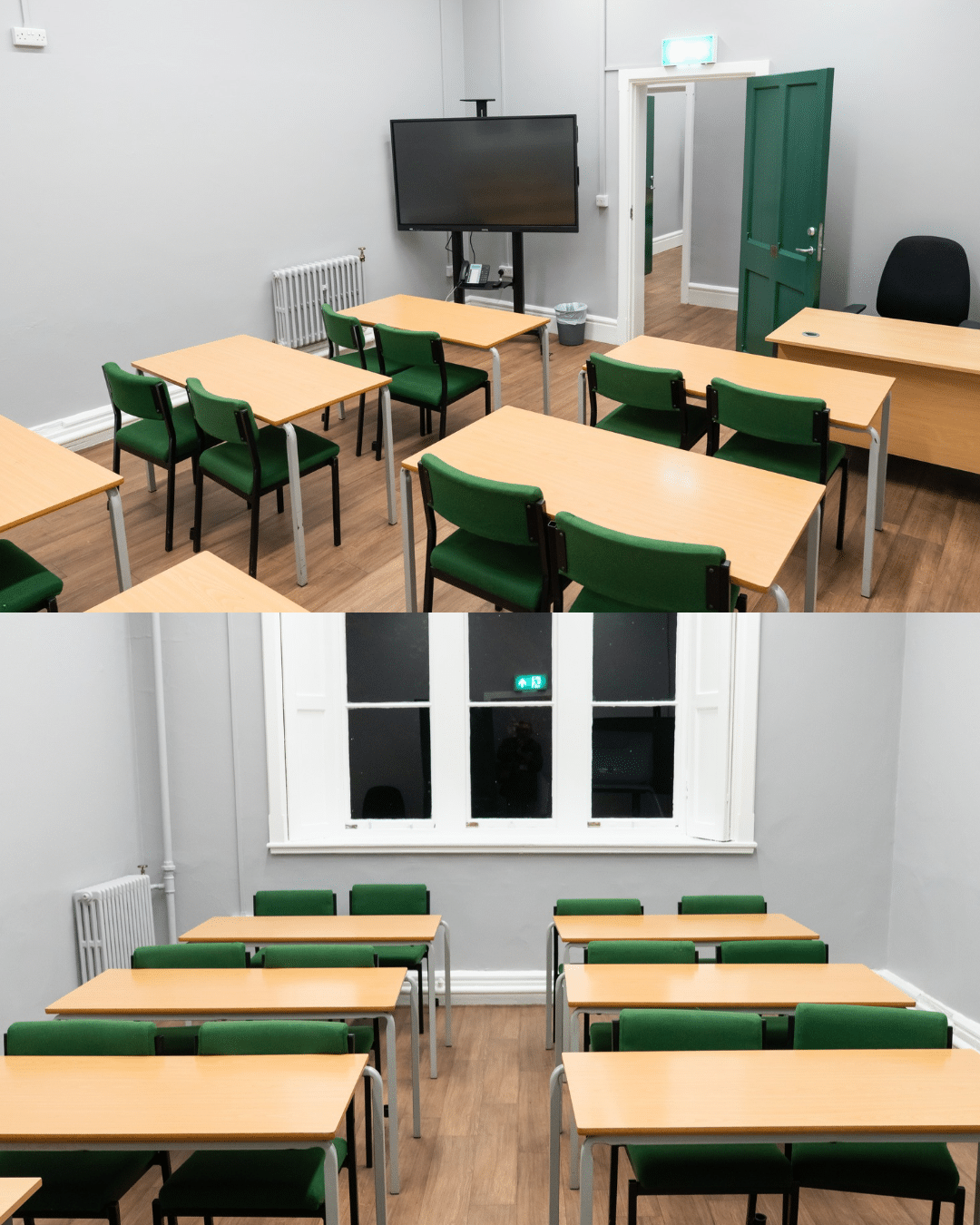
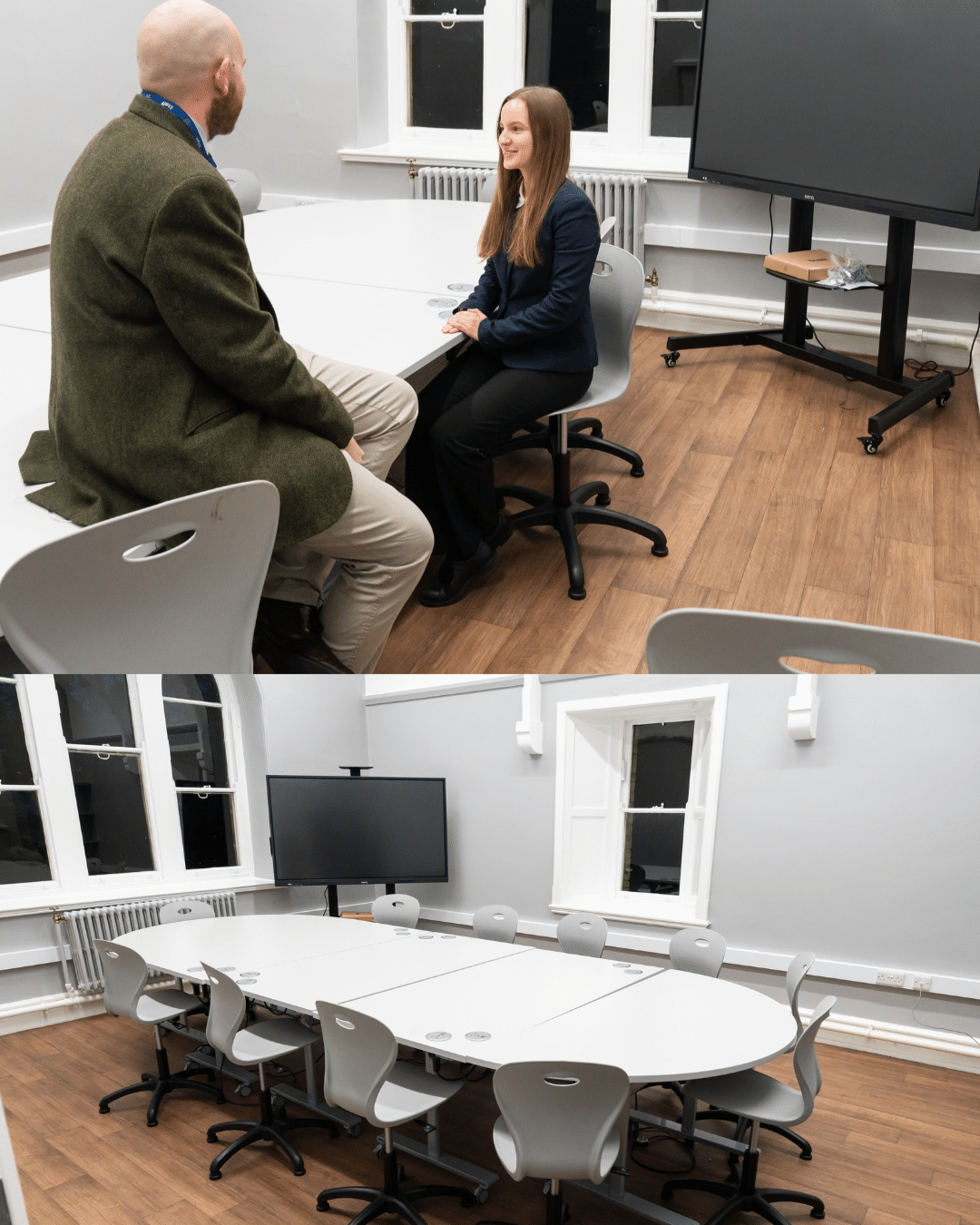
Contemporary classrooms sit alongside conference-style teaching rooms, equipped with new interactive screens, enhanced Wi-Fi, accessible charging points and modern furniture. Moving away from traditional, subject-specific classrooms, the spaces have been deliberately designed to encourage discussion, intellectual curiosity and greater interaction between pupils and teachers.
Three dedicated study rooms, each with a different layout, provide pupils with the flexibility to work independently or collaboratively, complementing the School’s existing library facilities.
Speaking at the reopening, Dr Michael Alderson, Principal of Durham School, said:
“We have taken a digital-first approach to the refurbishment of the Vallance, creating flexible teaching spaces which belong to the Sixth Form itself. The spaces are designed to encourage greater interaction and collaboration, while preparing our pupils for the learning environment they will encounter at university.
“The feedback from both pupils and teachers has been incredibly positive, particularly in terms of the dynamic this creates in the classroom and the collaborative nature of teaching and learning.”
The Centre is home to several subjects offered exclusively at A level, including Business, Economics, Politics and Psychology, alongside other A level and BTEC classes. Its versatile teaching spaces complement the small-group teaching and personalised academic support that characterise Durham School’s Sixth Form.
A place to belong
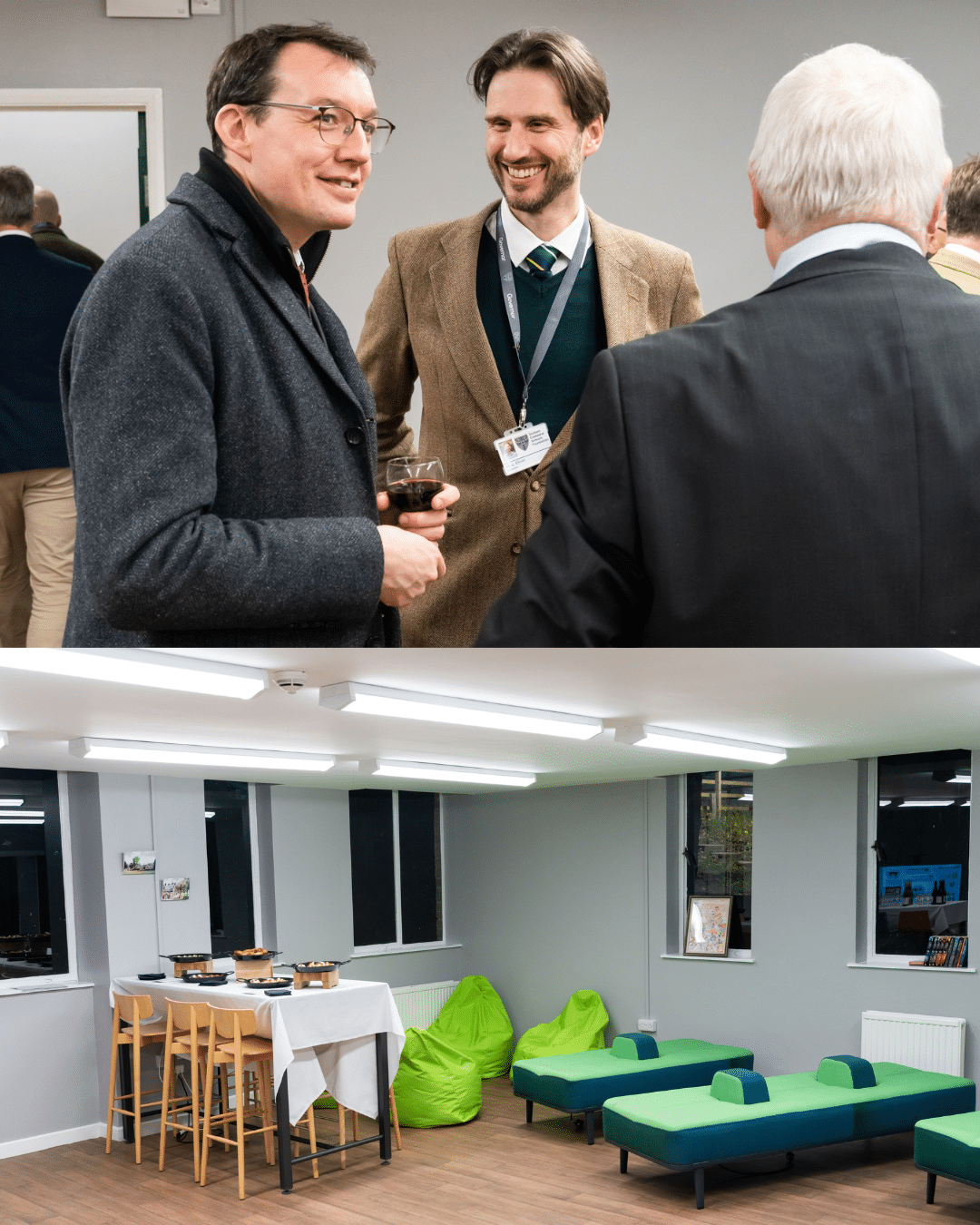
Beyond the classroom, a newly refurbished common room provides a welcoming space for pupils to relax, socialise and build friendships across the School’s six Houses.
Comfortable seating, booth-style areas, informal workspaces, high tables and a nearby kitchenette create a contemporary environment where pupils can spend time together between lessons, catch up with friends or work on academic projects.
Carl Hope, Head of Sixth Form at Durham School, said:
“The reopening of the Vallance sees an old building given a new lease of life, as the building has been arranged to create fresh, digital teaching spaces, collaborative work rooms and a common room to match the needs of Years 12 and 13 as they develop their independent learning skills and prepare for the world beyond Durham School.”
For pupils joining Durham School at Sixth Form, the Centre provides a dedicated space in which to establish new friendships, build confidence and quickly become part of a vibrant and ambitious Sixth Form community.
More than 150 years of School history
While the Vallance Building looks firmly towards the future, its story stretches back more than 150 years.
Originally opened in 1870 as Durham School’s purpose-built sanatorium, it was known to generations of pupils as ‘the San’. One particularly fascinating feature of its history is that sick pupils were once carried up the hill to the building in an eighteenth-century sedan chair, which remains on public display at Durham City Museum.
In 1969, the building became Langley House, serving as a boarding house for almost three decades. Following its closure in 1998, it was converted into teaching accommodation and renamed in honour of former Headmaster Michael Vallance and his wife, Mary.
In 2009, Paul Gerrard recognised the potential of its combination of communal spaces and classrooms to create a dedicated Sixth Form Centre. During his decade leading the Sixth Form, Paul made a significant contribution to its development, academic achievement and prominence within the School.
Returning for the reopening, he expressed his pride in seeing the building develop beyond what he had originally envisaged.
Preparing pupils for life beyond Durham
The redevelopment reflects Durham School’s commitment to providing an exceptional Sixth Form experience that extends far beyond academic achievement.
With small teaching groups, personalised academic support, opportunities for leadership and an extensive co-curricular programme, pupils are encouraged to pursue their ambitions, explore their interests and develop their individual talents.
Academic success goes hand in hand with personal development, allowing pupils to excel in their chosen subjects while embracing opportunities in sport, music, drama, leadership and the wider life of the School.
The newly refurbished Vallance Building enhances this experience, giving pupils greater ownership of their learning and the freedom to develop the independence, confidence and skills needed to flourish at university, in employment and in the wider world.
By bringing together more than 150 years of history with innovative approaches to teaching and learning, the Vallance Building represents an exciting investment in the future of Sixth Form at Durham School.
Discover Sixth Form at Durham School
Prospective pupils and their families are warmly invited to visit Durham School, explore the newly refurbished Sixth Form Centre and discover the opportunities available to them.