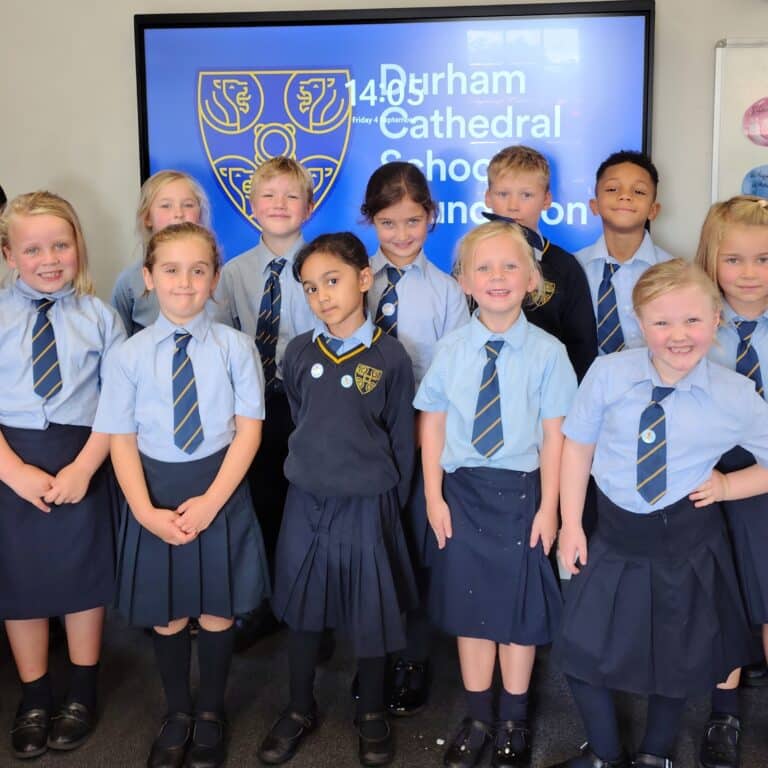

As another School year begins, conversations naturally turn to targets, examinations and what pupils hope to achieve over the months ahead. Those things matter enormously. But education cannot simply be about preparing young people for their next set of results. It must also prepare them for everything that comes afterwards.
At Durham Cathedral Schools Foundation, one of our ambitions is challengingly simple: to give every pupil the best academic education we can, so that they face the future with the greatest possible number of choices.
But having choices and knowing what to do with them are two different things.
The young people in our Schools today will enter a world of work that is changing extraordinarily quickly. Artificial intelligence and new technologies will alter established careers and create roles that do not yet exist. Young people are likely to change employers, industries and perhaps entire professions several times during their working lives.
Our responsibility, therefore, is not simply to fill pupils with knowledge. It is to help them become young adults who can think, question, communicate, collaborate, adapt and make thoughtful decisions about what comes next.
That does not diminish the importance of academic achievement. Far from it. Achievement creates opportunities, whether that comes through academic study, sport, music, drama or another area of strength. What matters is helping each pupil understand where that ability might take them, and giving them the confidence and guidance to pursue it.
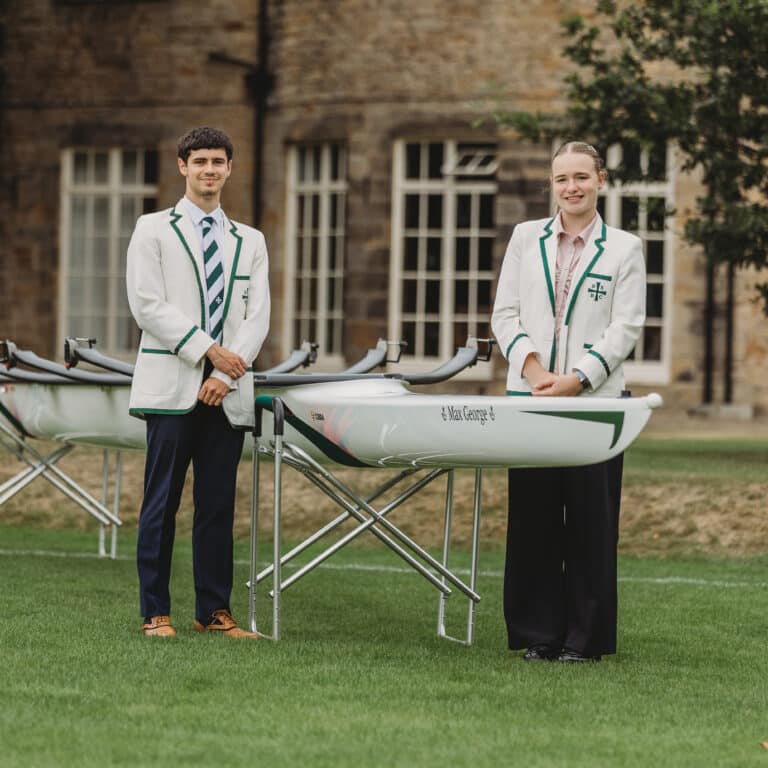
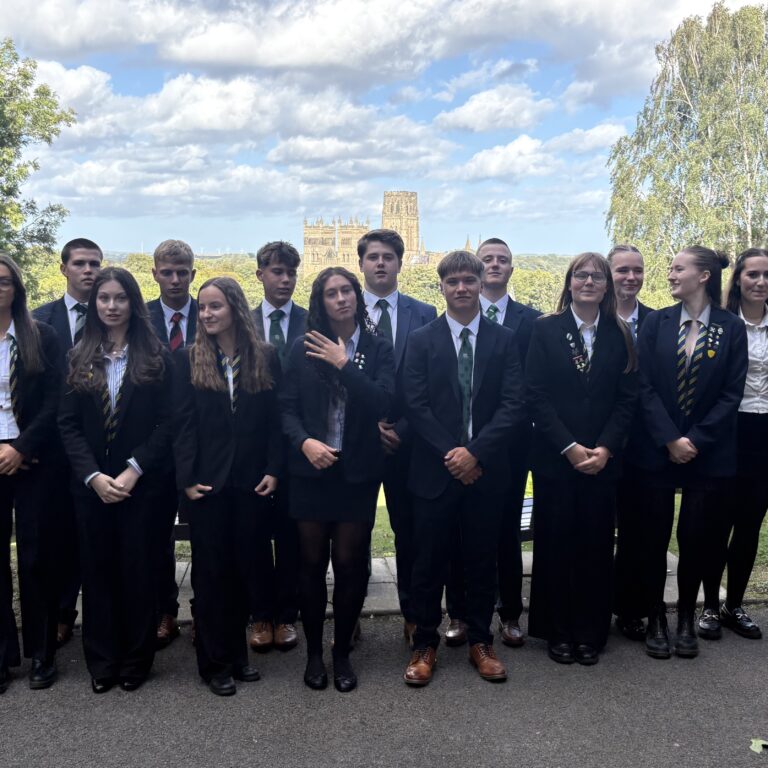
Our Sixth Form, for example, deliberately combines academic study with preparation for university, employment and adult life. Pupils are encouraged to become increasingly independent and responsible learners, while remaining known, supported and challenged as individuals.
Careers education is an important part of that preparation rather than something introduced only when a pupil reaches Year 13.
Through our Life & Work Education programme, pupils receive personalised careers guidance and one-to-one interviews, support with university and apprenticeship pathways, employer engagement through speakers, visits, fairs and webinars, alongside practical preparation for applications, personal statements and interviews.
Importantly, we also want young people to meet people who have already travelled some of the routes they are considering.
Our Old Dunelmian community plays an increasingly important role in this. Networking events bring pupils together with former Durham pupils working across different professions, while visiting speakers and careers events give young people the chance to ask the questions that rarely appear in a prospectus: What is the job really like? What would you do differently? Which skills proved most useful? What did you learn when things did not go according to plan?
Those conversations matter.
For some pupils the destination will be a leading UK or international university. For others it may be an apprenticeship, professional sport, a creative career or another route altogether. Our responsibility is not to prescribe one definition of success, but to help each pupil understand their strengths, ambitions and opportunities.
This summer provided wonderful examples of that breadth. Durham pupils progressed to Medicine, Oxford and Cambridge, while others combined their academic futures with high-level sport and creative disciplines. The important point is not simply the destination, but that pupils are encouraged to consider the route that is right for them.
And preparation for the future does not happen only in careers lessons.
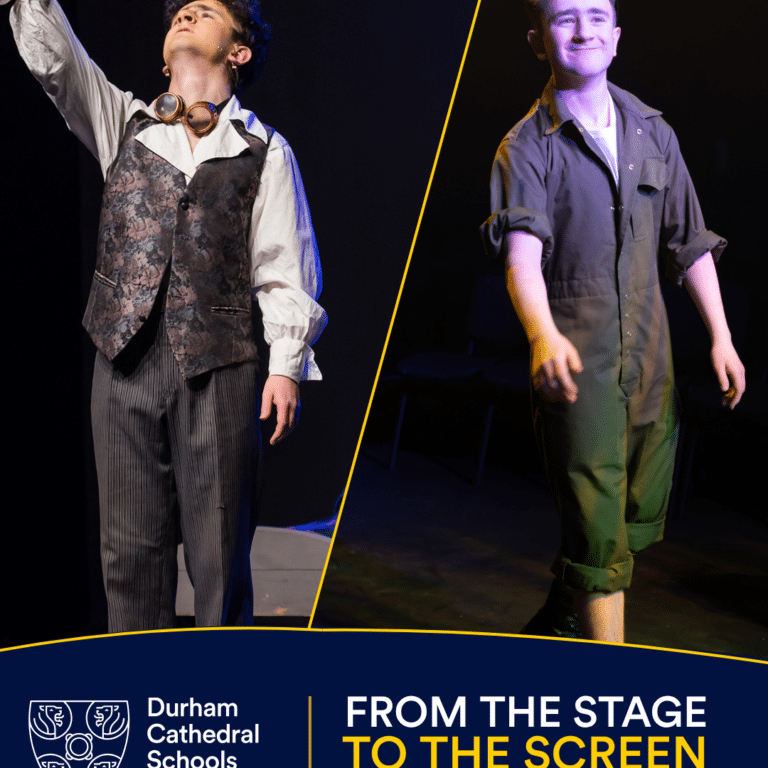
Sport, music, drama, outdoor education, societies, leadership and service all give young people opportunities to experience challenge in a relatively safe environment. They learn how to contribute to a team, manage disappointment, perform under pressure and take responsibility for other people.
Our co-curricular programme is deliberately viewed in this way: activities develop skills, those skills become competence and competence creates confidence. In sport, for example, teamwork, leadership and resilience sit alongside performance and competition.
These human qualities may become even more important as technology becomes more capable.
Young people will undoubtedly need to understand and use AI well. But they will also need judgement. Curiosity. Empathy. Integrity. The confidence to question an answer rather than simply accept it. The ability to build relationships with people who think differently from them.
That is where our MARK values — Moral Integrity, Ambition, Responsibility and Kindness — become particularly relevant. They are not intended simply as words displayed around School. They provide a framework for the kind of adults we hope our pupils become: ambitious without losing perspective, responsible for their choices, kind in their relationships and prepared to do the right thing even when it is difficult.
None of us can know precisely what the working world will look like when a child beginning School today eventually enters it.
That should not make education less purposeful. It should make our purpose clearer.
We want pupils to leave Durham with excellent qualifications, certainly. But we also want them to leave knowing themselves: able to communicate confidently, make informed choices, respond to setbacks, recognise opportunity and contribute positively to the communities around them.
If we can achieve that, we have given them something more enduring than preparation for an examination.
We have given them confidence for life.