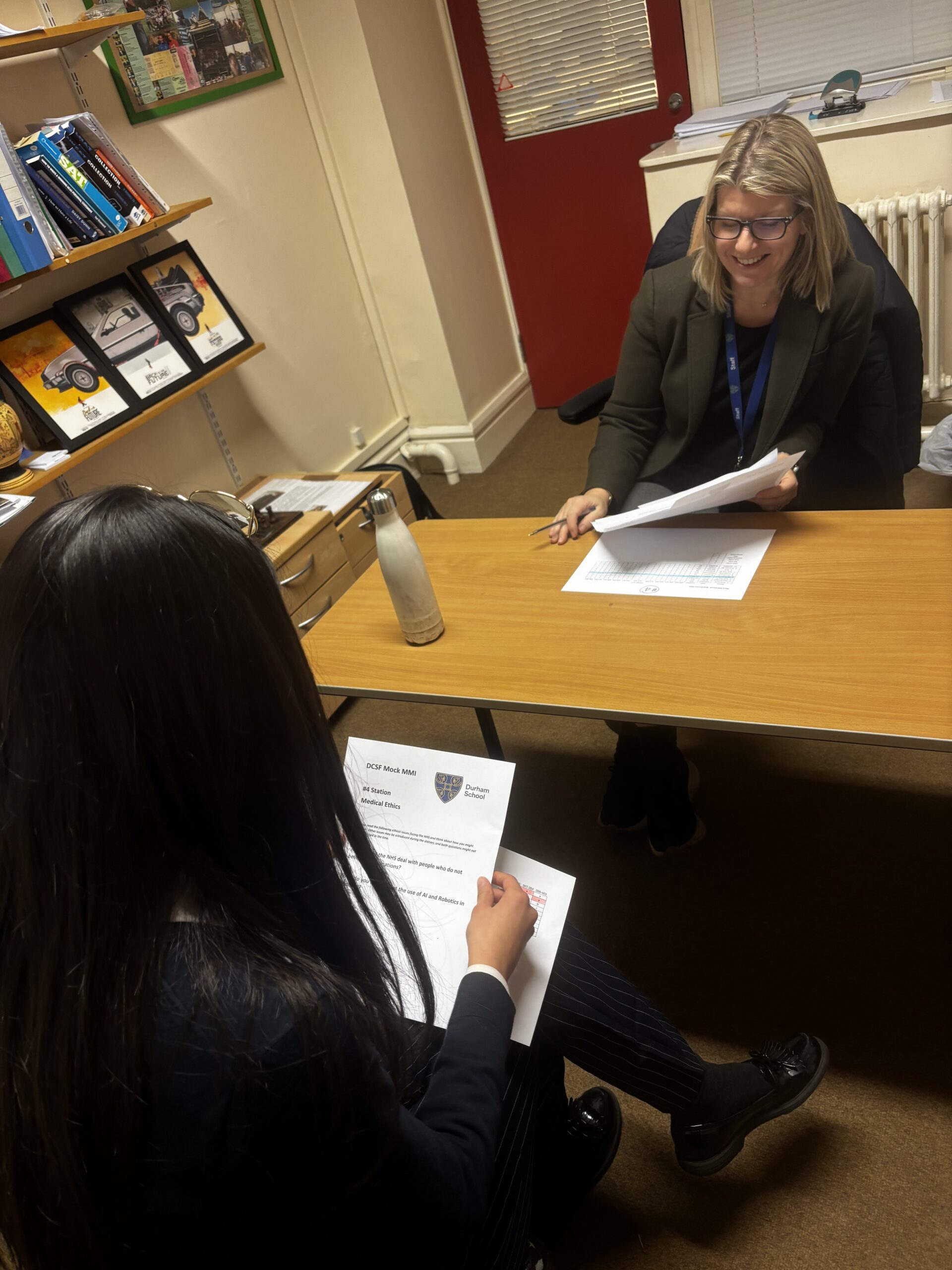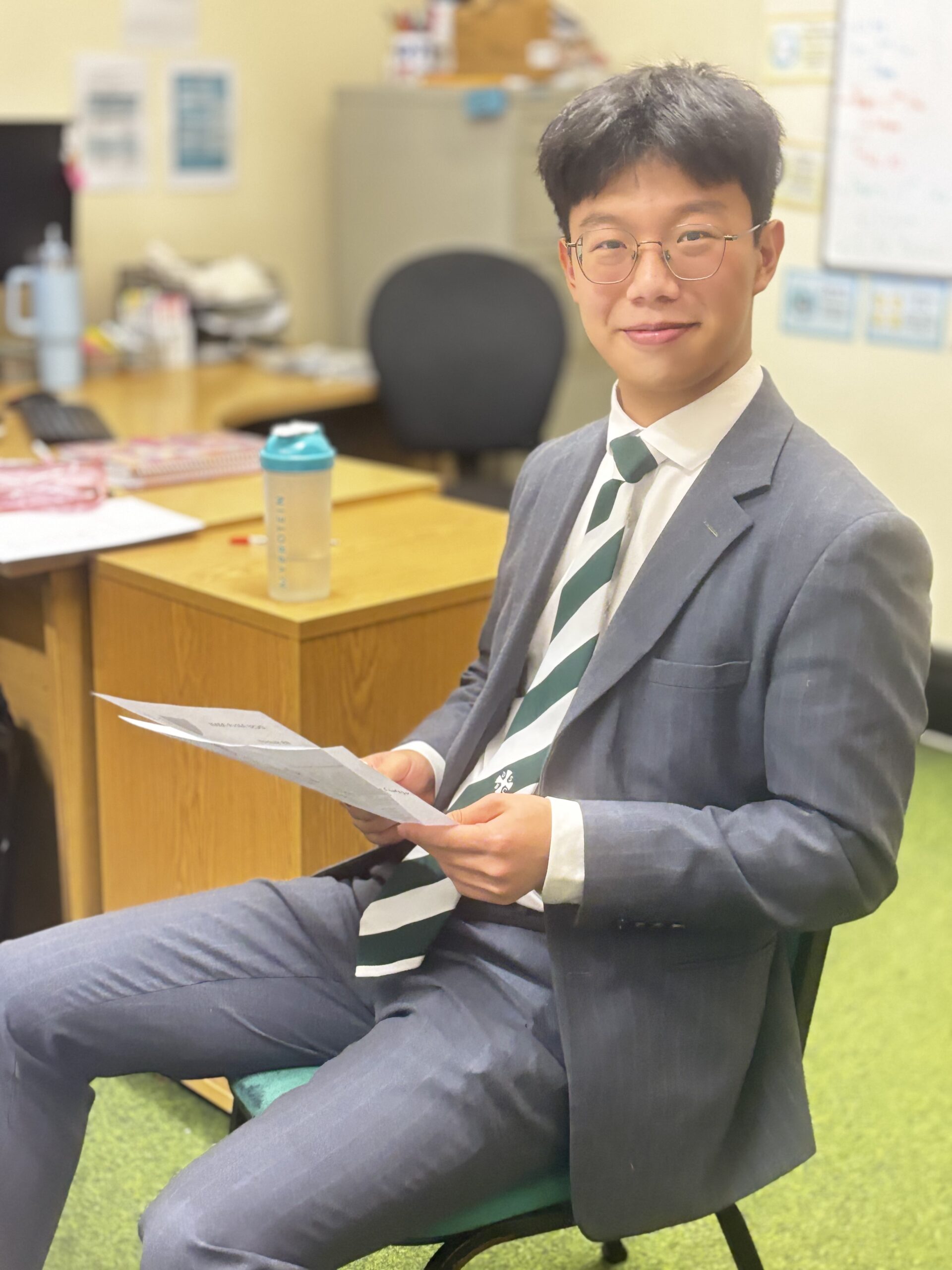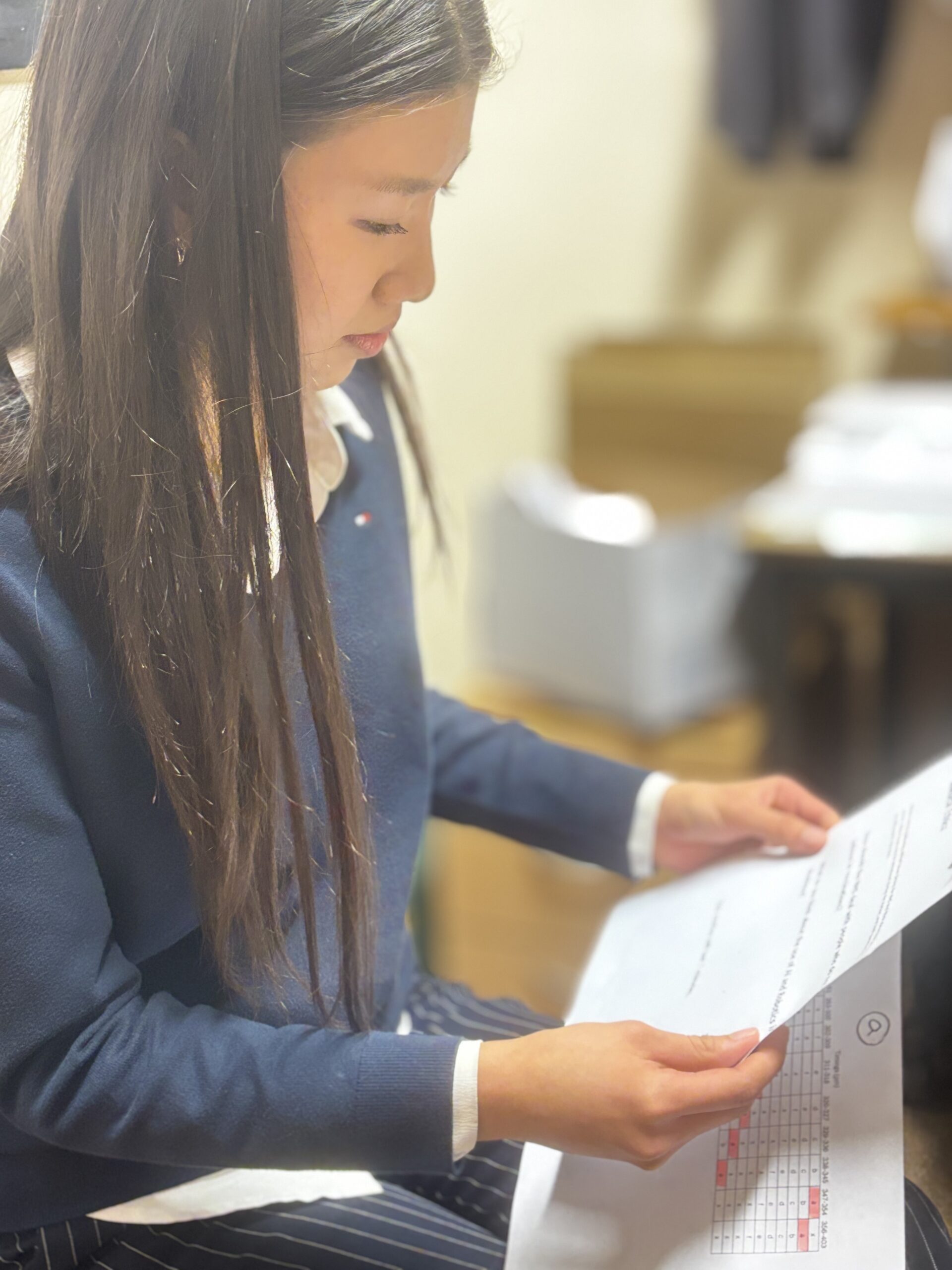

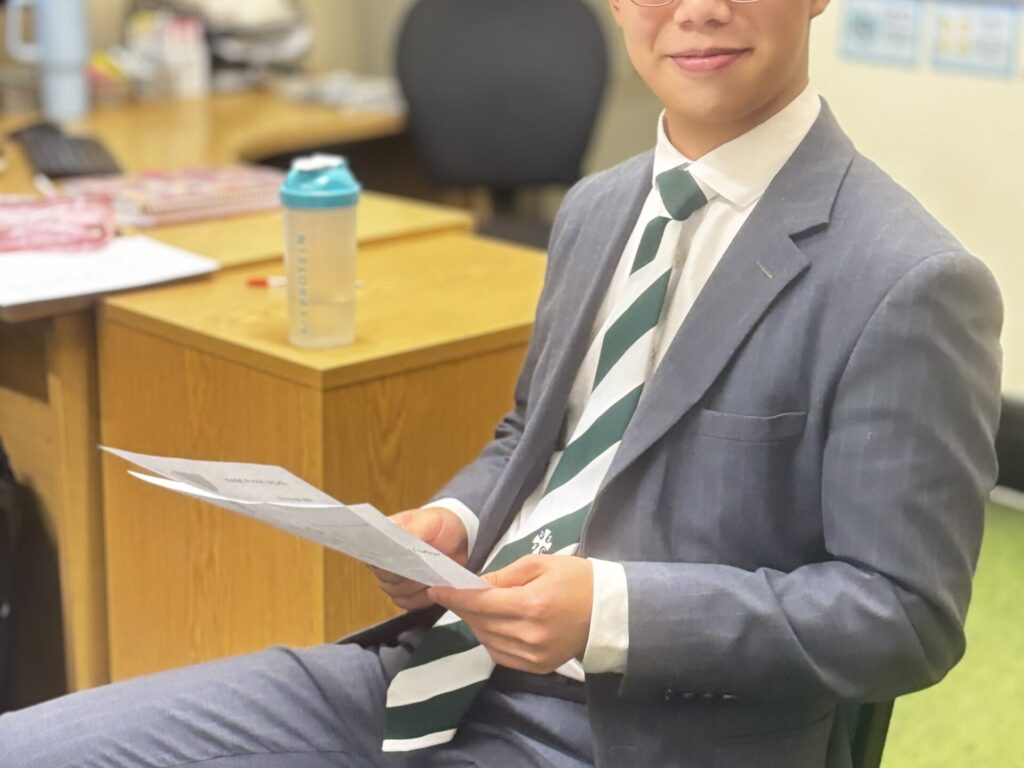
Last week, a group of our Sixth Form pupils took an important step towards their future careers in Medicine, Dentistry and Veterinary Medicine by taking part in our annual Mock MMI (Multiple Mini Interview) circuit. The day is designed to mirror as closely as possible the format used in university interviews, giving pupils the chance to experience the pace, pressure and unpredictability that comes with applying for these highly competitive courses.
The structure is intense: pupils move quickly between short interview stations, each testing a different skill or area of knowledge, from ethics and NHS challenges to role-play scenarios and data interpretation. Since launching the programme in 2017, we have steadily developed it to ensure it remains relevant and true to what universities now expect from applicants.
Why This Matters
Applying to Medicine, Veterinary Medicine or Dentistry is unlike any other degree pathway. While academic grades and admissions tests remain essential, interview performance now plays a decisive role in determining who receives an offer. MMIs test not only what pupils know, but how they think, listen, respond and behave under time pressure. These are skills that cannot be revised the night before, they must be practised.
We want our pupils’ first experience of an MMI to happen in a familiar environment, surrounded by supportive adults and peers, not in front of an admissions panel for the first time.
A Shared Experience
This year, our Year 13 applicants were joined by candidates from St Cuthbert’s in Newcastle and St Bede’s in Lanchester, reinforcing our commitment to collaboration with other schools across the region. Two Year 12 pupils also observed the circuit, gaining a valuable preview ahead of their own applications next year.
The stations were led by a wide mix of contributors: Durham School academic staff, two colleagues from Durham University, a medical student soon to begin training at Southampton, a retired doctor, and two of our own talented drama pupils who stepped into role-play scenarios. This blend brought variety and authenticity to the experience – just as candidates can expect when interviewing at a university.
Skills That Matter Beyond the Interview
Throughout the afternoon, pupils demonstrated impressive commitment and maturity. They drew upon a range of qualities we hope to see in future medics: empathy, clarity of communication, ethical reasoning, critical thinking and composure under pressure. Several commented afterwards on how quickly each station passed, sometimes seven minutes felt like thirty seconds.
Particularly noteworthy was the way pupils responded to challenge. They did not give up when faced with a difficult question or unexpected scenario. They kept thinking, kept speaking and stayed engaged. That resilience speaks volumes.
Reflective Feedback for Continued Growth
Each pupil received written feedback and scoring across all stations. This will form a valuable part of their preparation over the coming weeks as they move toward university interviews in December, January and beyond. Feedback focused on strengths, areas for further practice and suggested approaches to common interview themes such as motivation, professional responsibility and current NHS issues.
Already, pupils are putting this experience into practice. Two candidates travelled to Edinburgh a few days after the mock circuit for interviews, and one completed a panel interview at Cambridge earlier in the week.
Looking Forward
The journey to securing a place in Medicine, Veterinary Medicine or Dentistry is a demanding one, and rightly so. However, our pupils approach it with ambition, humility and courage. Experiences like this not only prepare them for interviews—they reinforce the values that sit at the heart of our community: Moral Integrity, Ambition, Responsibility and Kindness.
We are immensely proud of every pupil who took part and of the staff and volunteers who supported them. We now look forward to following their progress with great interest.